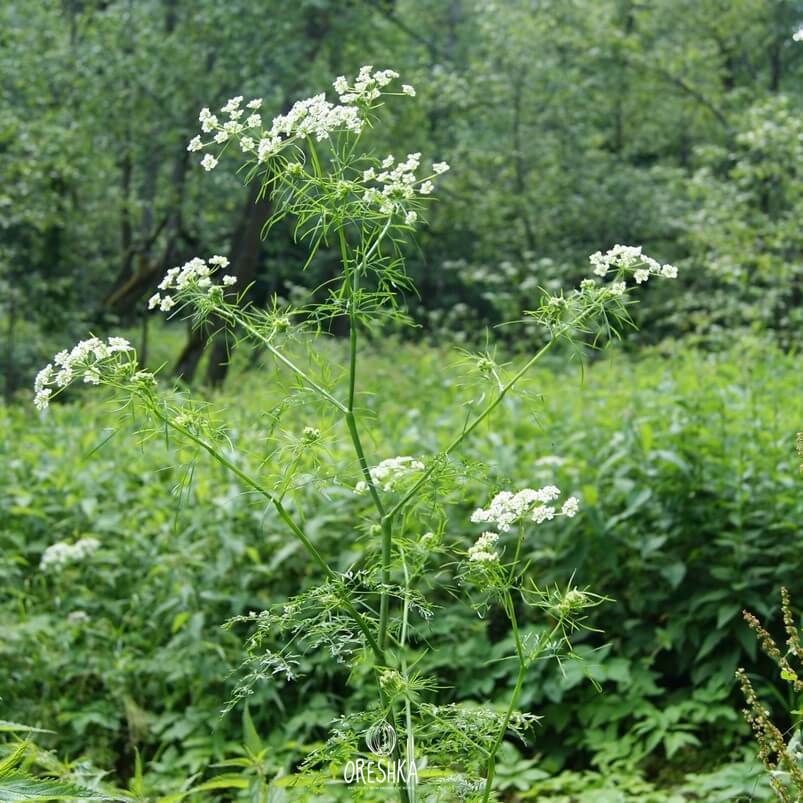
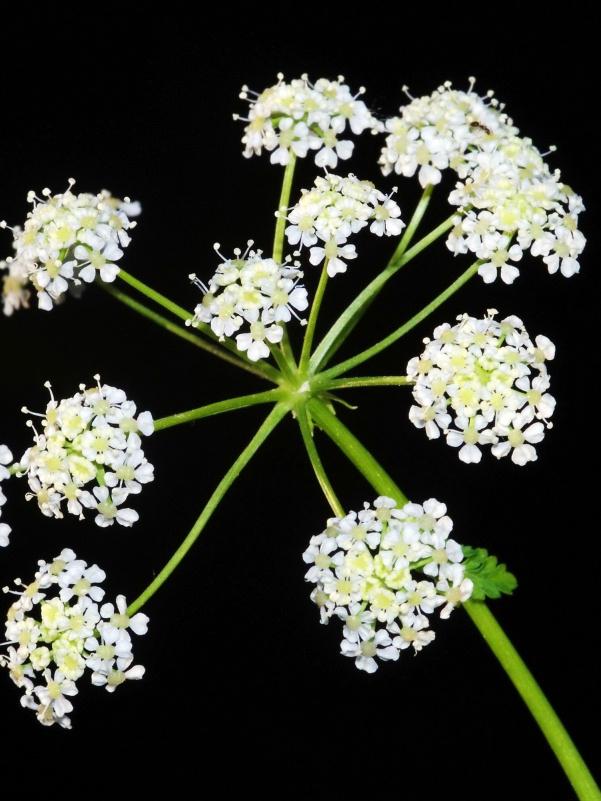
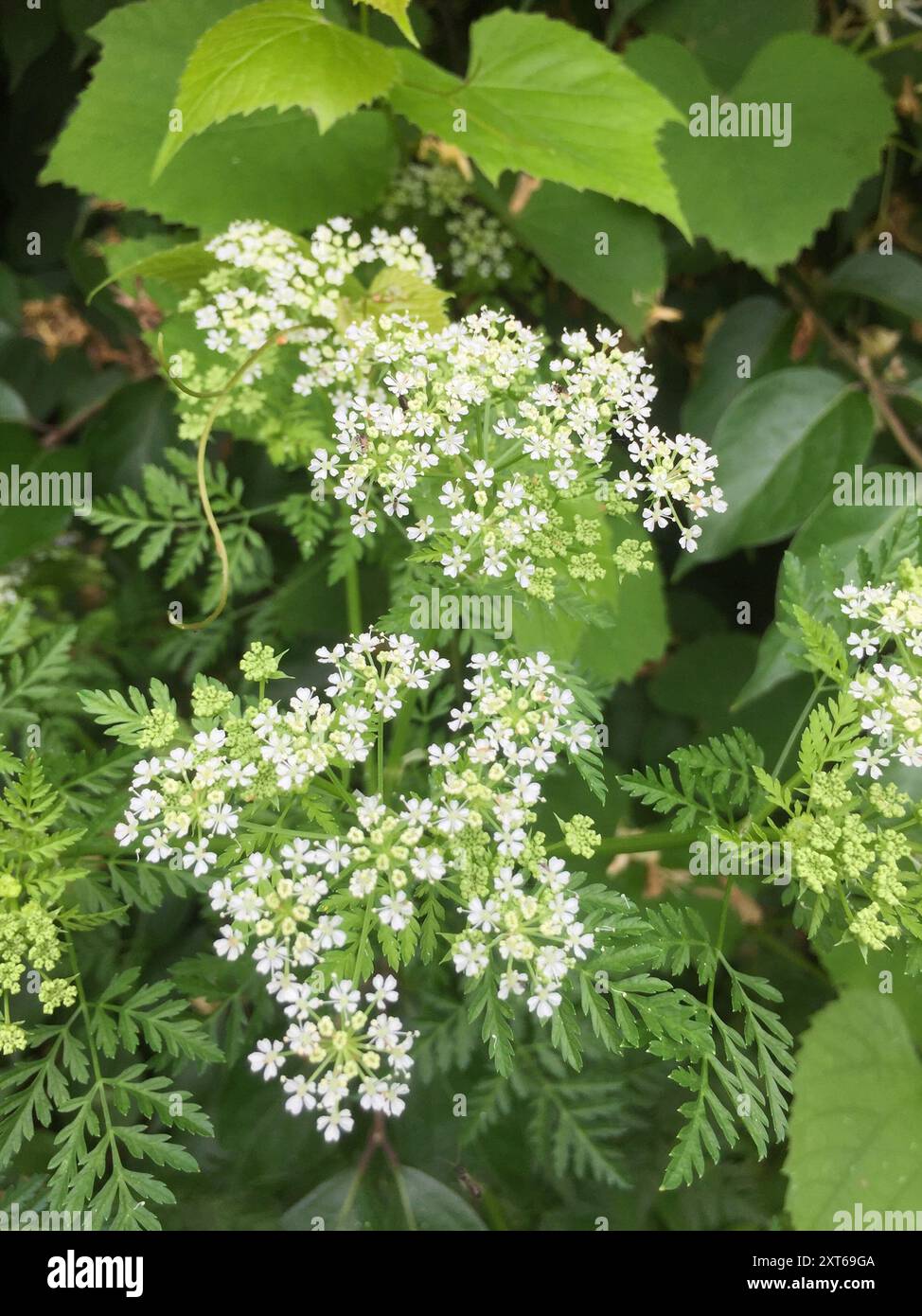
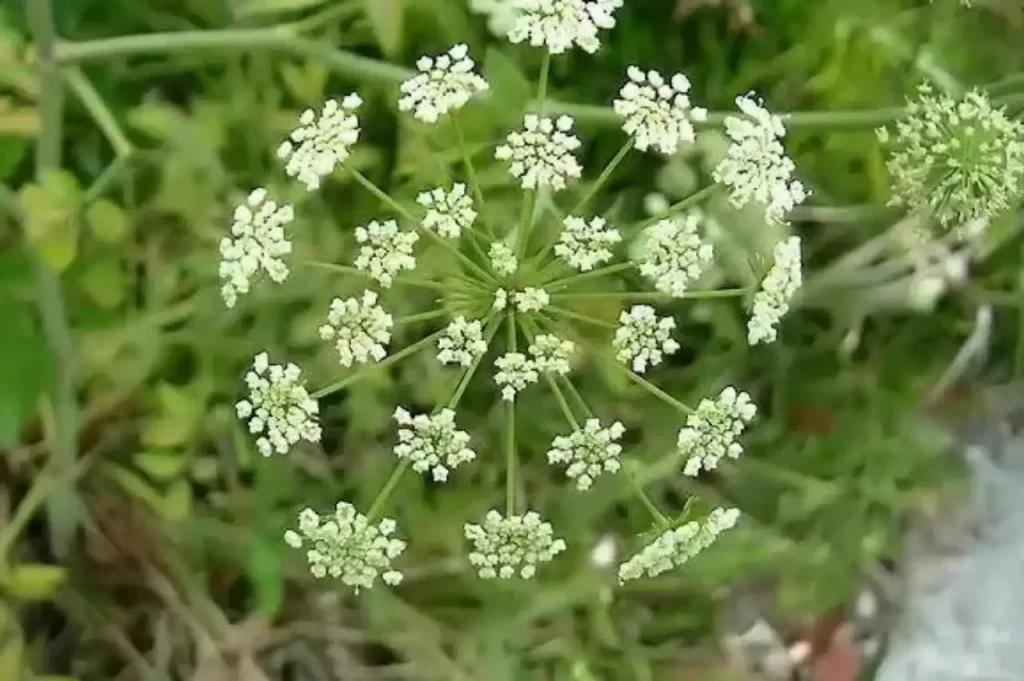
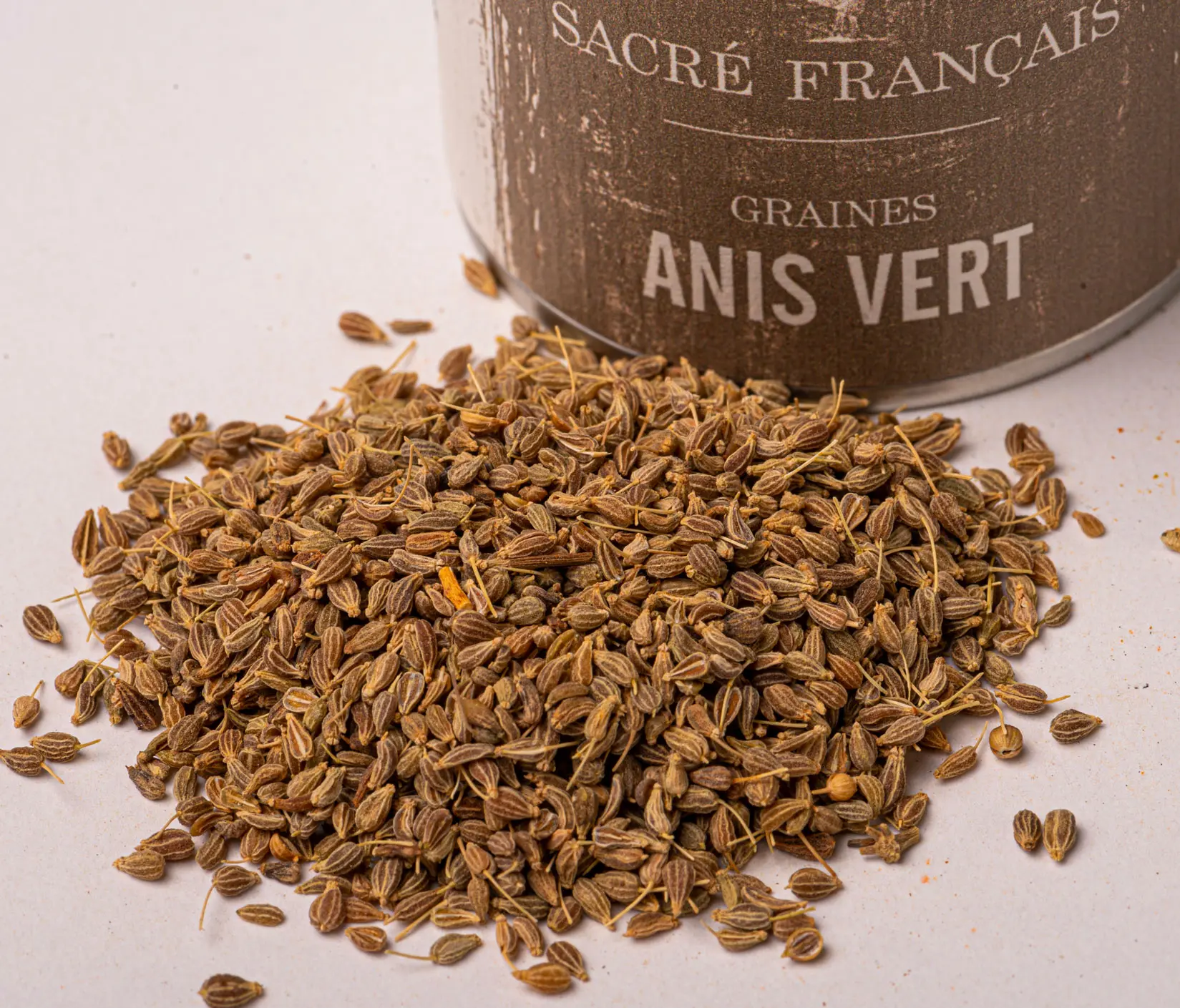
It grows on forest edges, flood meadows, limestone slopes, as a weed in crops and vegetable gardens, on deposits and wastelands, near housing, near roads and fences, in landfills, on the slopes of ravines, along railways. A biennial herbaceous plant with a tall stem (60-180 cm). The root is powerful, fusiform, whitish. In Russia, it is found almost throughout the European part (except the Far North), in the Caucasus, in Western Siberia. The stem is glabrous, branched, finely furrowed, hollow, with a bluish bloom and reddish-brown spots. Inflorescence of a Herb Hemlock or Poison Conium Maculatum Stock Photo... 50 pcs fresh organic seeds , Syn. Secretory tubules are absent in mature fruits., Blooms in May-June. Spotted hemlock is a biennial herbaceous plant with an unpleasant mouse smell. Graines Ciguë Tachetée Conium Maculatum, Colloquially Known As Hemlock, Poison Hemlock Or Wild Hemlock, Is A Highly Poisonous Biennial Herbaceous Flowering Plant In The Carr Image603013282 Hemlock Vs Conium Maculatum Conium Maculatum (hemlock Or Poison Hemlock) Is A Highly Poisonous... fresh seeds, Hemlock, Poison hemlock, Wild hemlock, Herb seeds, Flower herb, Medicinal herb, Organic seeds (lat., Conium maculatum L., ). Since all parts of the plant are highly poisonous, it is necessary to strictly observe safety rules when collecting. Raw materials are harvested during flowering and the beginning of seed formation (June - July). mottled hemlock, smelly grass, puzzle, poisonous omega, poisonous stem Inflorescence of a Herb of Hemlock or Poison Hemlock Conium Maculatum Stock Photo - Image of Dried raw materials are stored in bags, separately, in well-ventilated, dry rooms., Conium maculatum L. The flowers are small, almost white, collected in complex umbels forming a corymbose-paniculate inflorescence. Pistil with a lower double-nest ovary. The leaves (lower) petioles are broadly triangular, thrice pinnate, rather large (30-60 cm long), the middle and upper ones are smaller, with a very short petiole – almost sessile, with narrow sheaths, their terminal lobes are pinnately incised or separate.



 Vendeur français
 760 conseils utilisateurs